

Creating a shared language between Design and Development to improve consistency, scalability and implementation.
Rather than creating a large library of components, I focused on building a scalable foundation based on design tokens, semantic variables and reusable patterns.
The goal is to simplify collaboration between designers and developers while making interfaces easier to maintain and extend.
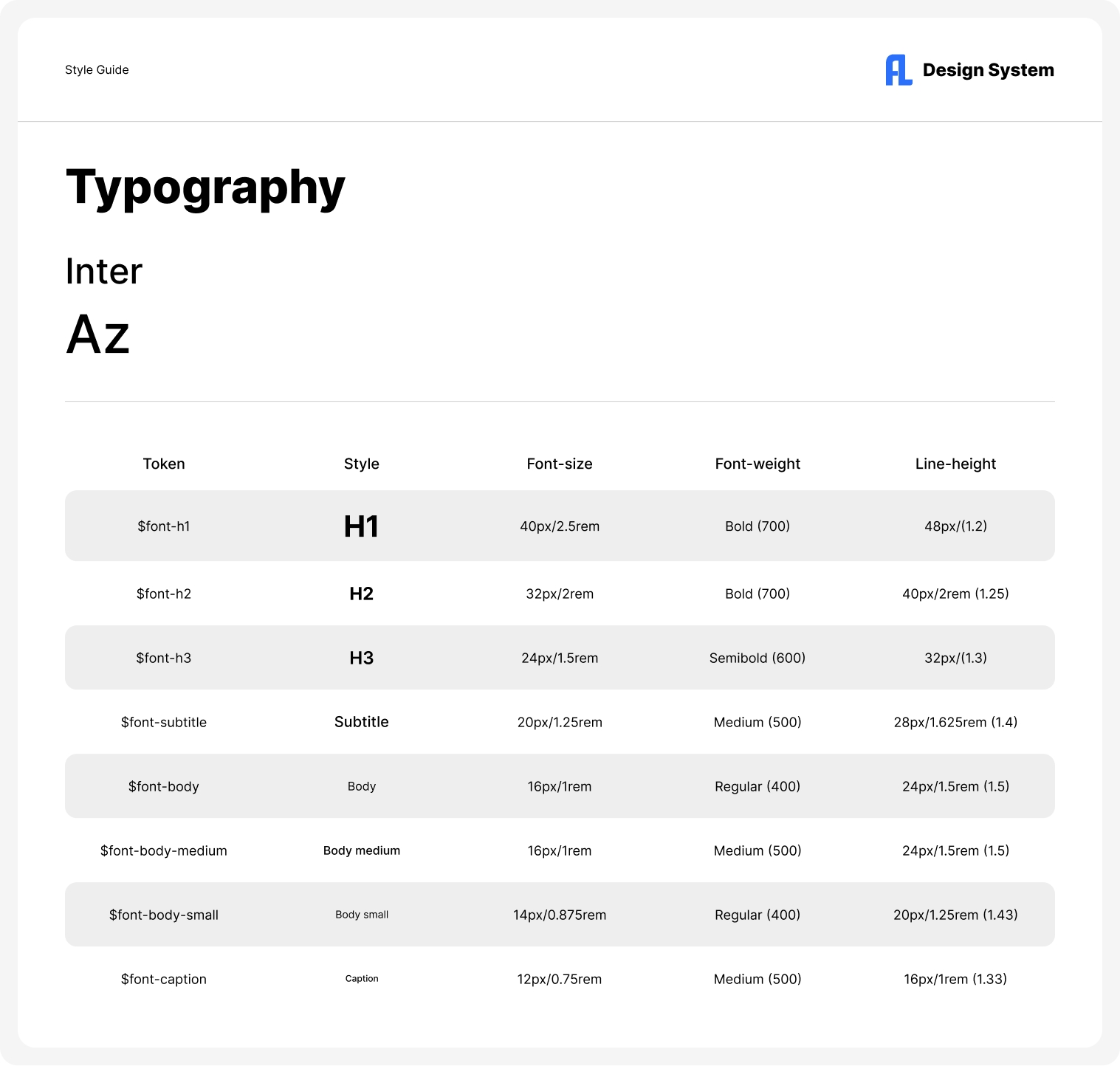
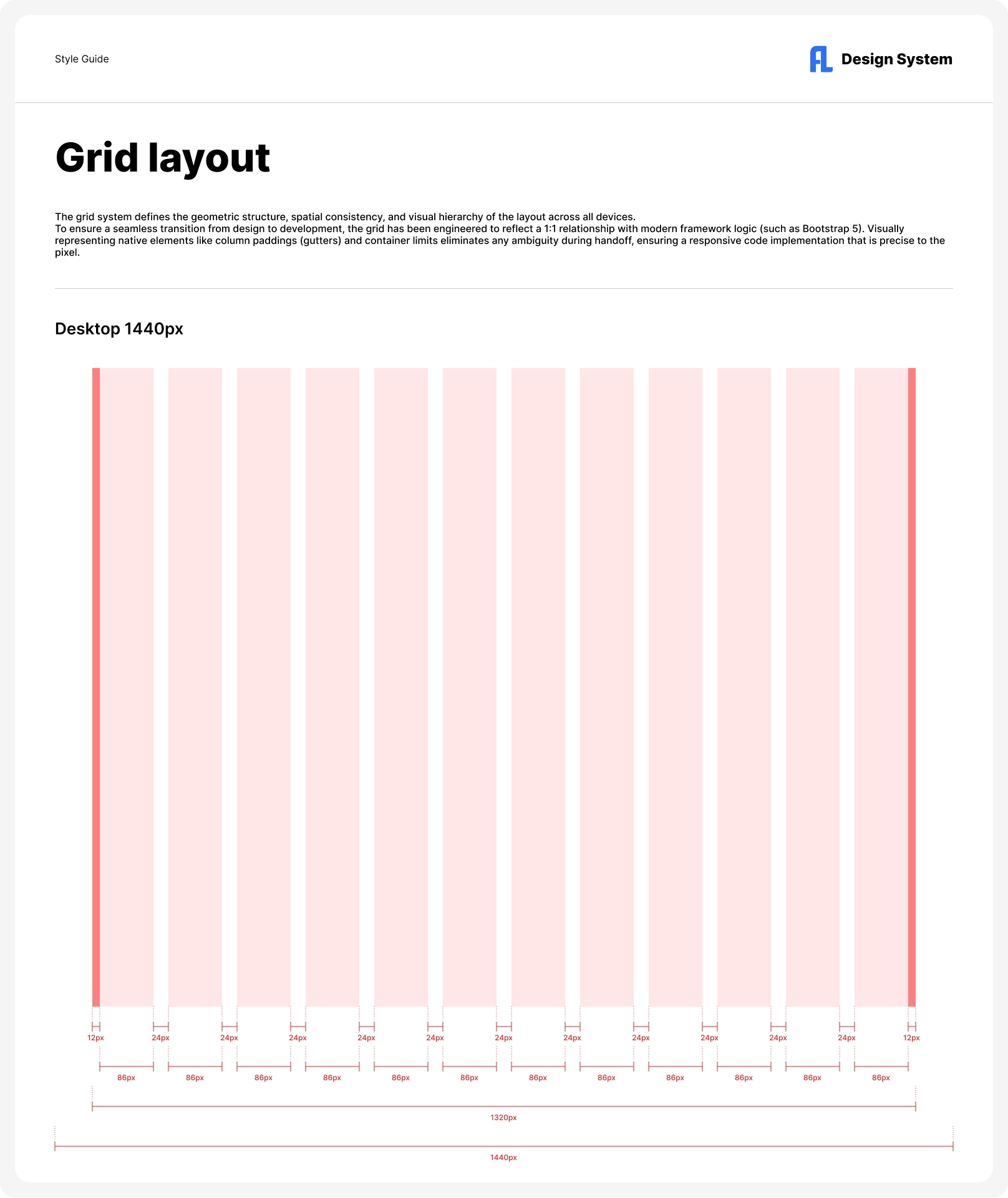
A consistent typographic scale and responsive grid provide the structural foundation for every interface.
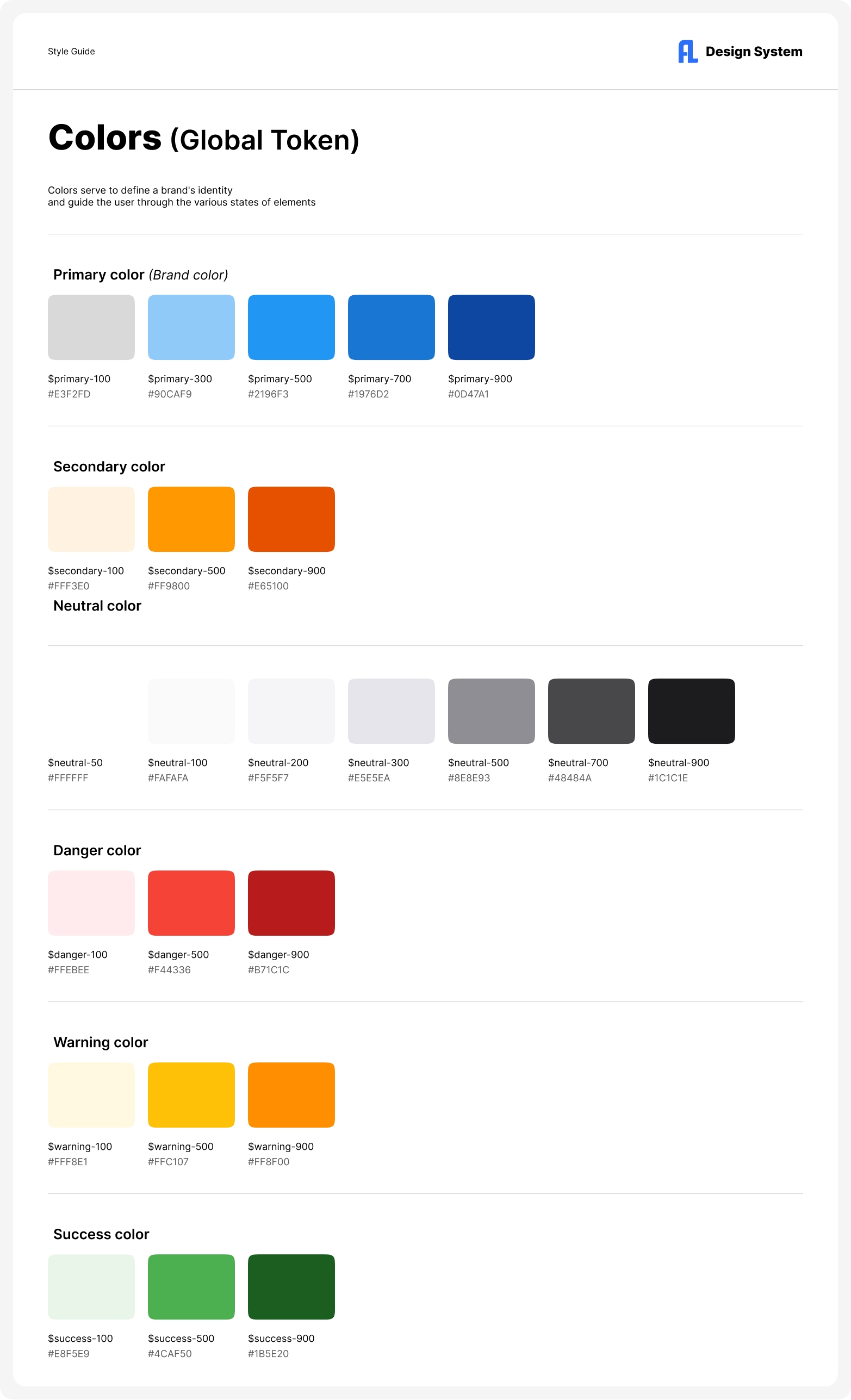
Semantic variables abstract global values by describing the purpose of each design decision rather than its raw value.
This approach improves maintainability, scalability and allows components to evolve without affecting the underlying design foundations.
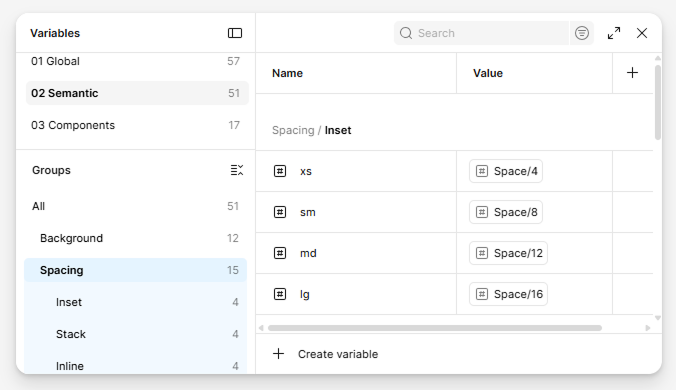
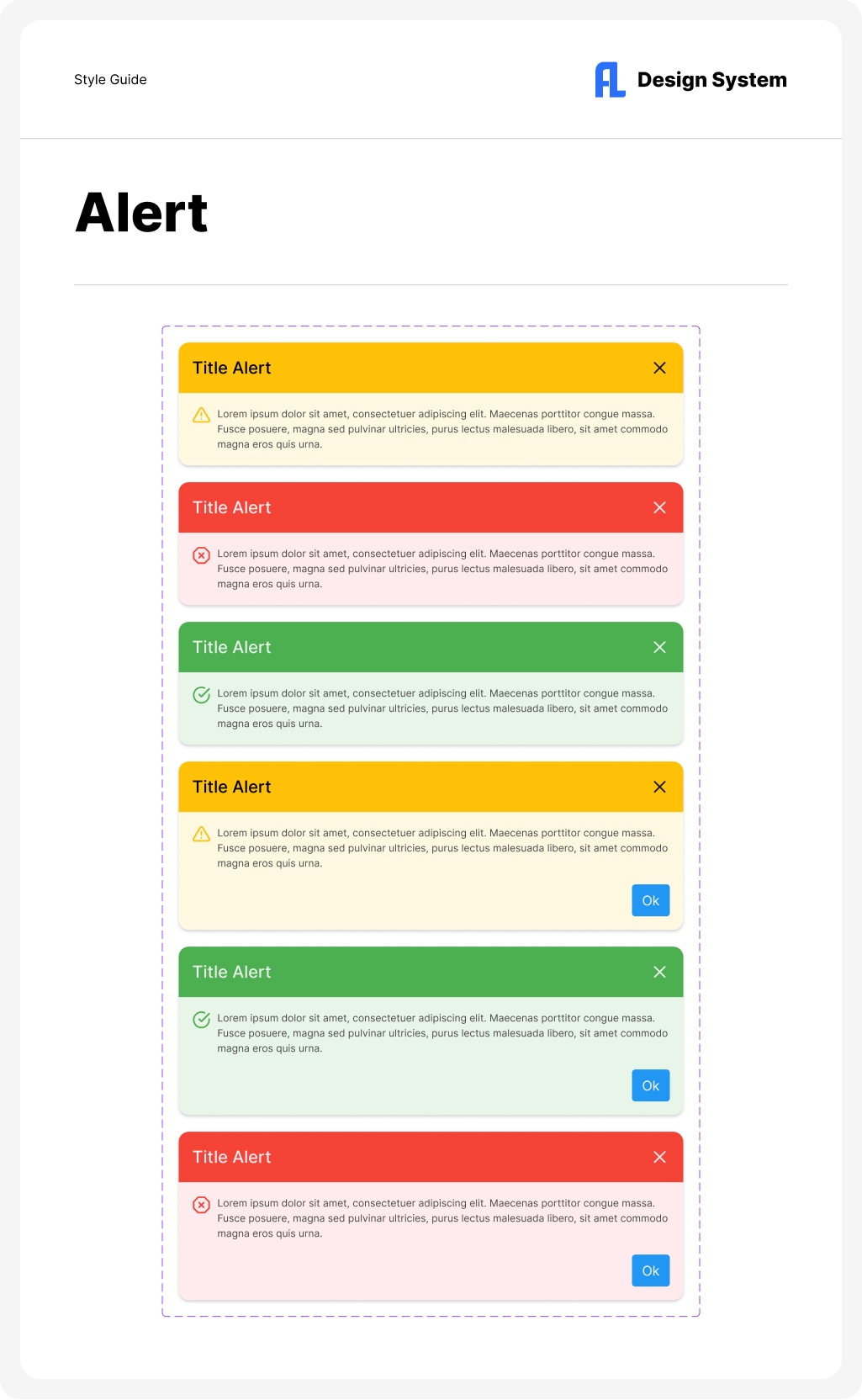
Every component is built using semantic tokens and documented spacing rules. This creates a shared language between designers and developers, making implementation faster, more consistent and easier to maintain over time.
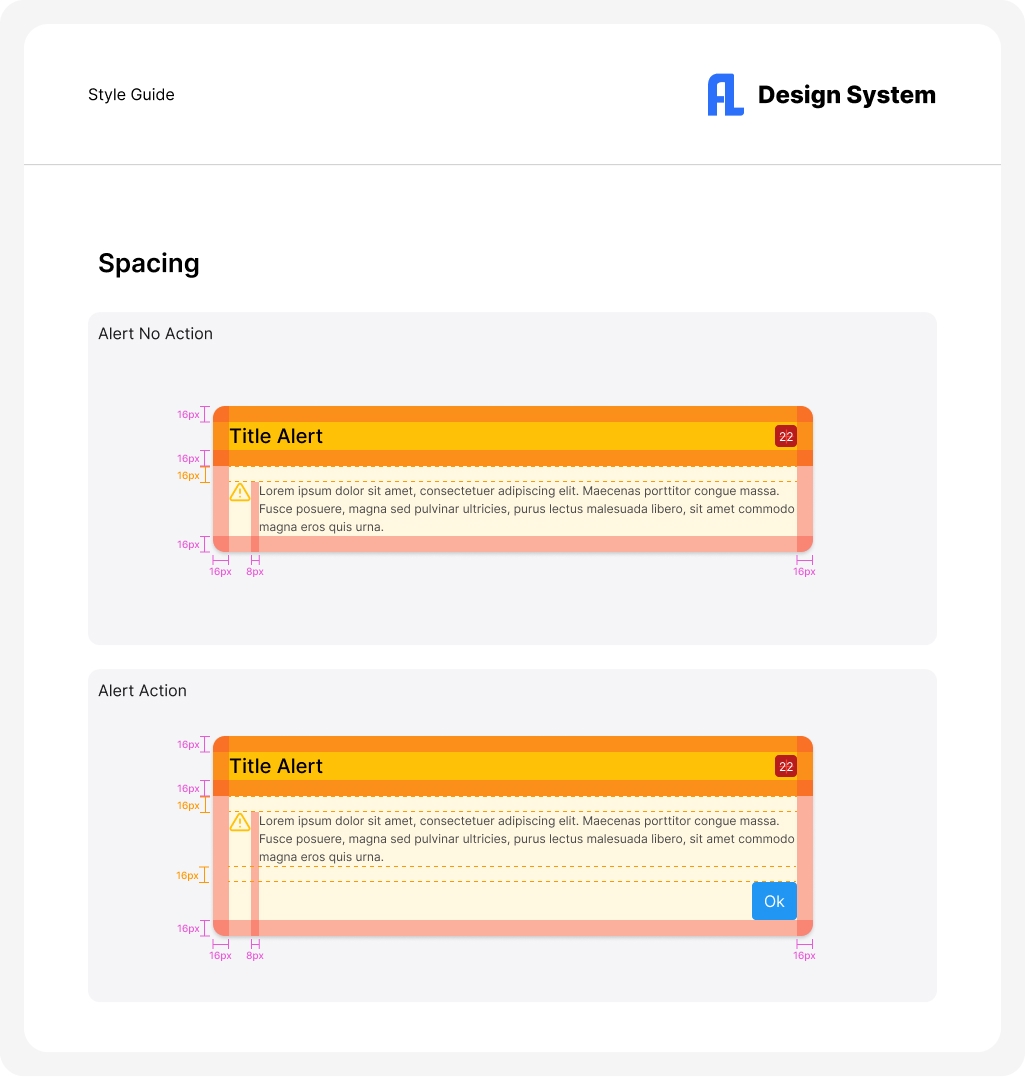
Each component includes visual documentation for spacing, padding and internal layout. Clear redlining reduces implementation ambiguity and helps teams build interfaces consistently across the entire product.
This Design System is intentionally lightweight. Rather than building an enterprise-scale library, the goal was to demonstrate a scalable methodology based on reusable foundations.
Semantic architecture and clear documentation that can grow alongside future products.